Solar energy is no longer a niche option - it’s becoming standard across the UK. According to recent government figures, there are already over 1.5 million homes in the UK with rooftop solar photovoltaic (PV) panels installed. If you are looking to buy a house, there’s every chance that you will come across properties that have a solar roof installation.
But what does owning a home with solar panels really mean for you? Let’s break it down.
The benefits of solar panels
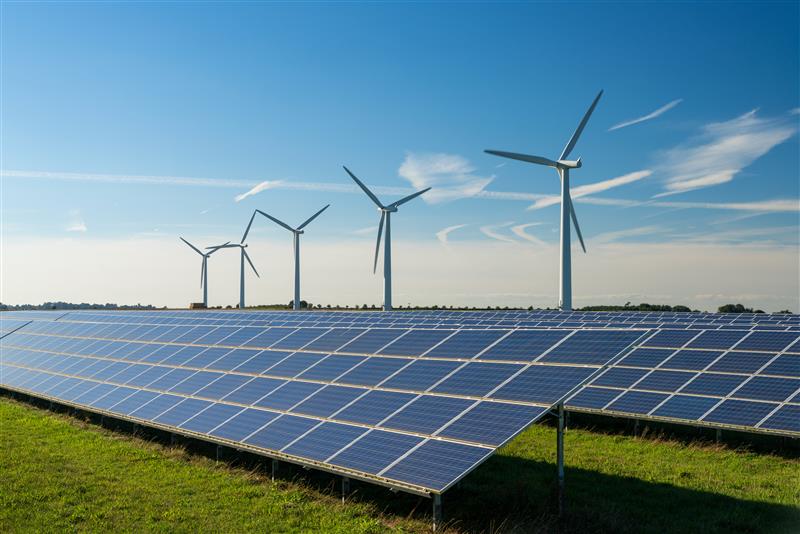
Owning a property with solar panels can offer significant advantages:
Lower electricity bills: Solar panels generate free electricity, reducing reliance on the grid and protecting you against rising energy costs. By having these panels, you can be saving hundreds of pounds worth a year.
Environmental impact: Using renewable energy reduces your carbon footprint and can improve your property’s energy efficiency rating (EPC).
Potential income stream: Surplus electricity can be sold back to the grid via the Smart Export Guarantee (SEG), providing an extra revenue source.
That said, buying a property with a solar installation isn’t just a straightforward win. There are a few key questions you should ask before signing on the dotted line.
How big is the solar PV installation?
The size of the system determines how much electricity you’ll generate. A rough calculation:
- Count the number of panels on the roof.
- Multiply by 250 watts (typical output per panel).
For example, a 10-panel setup equals a 2.5kW system. Factor in a typical efficiency of around 90%, giving 2.25kWh per hour.
Keep in mind: panel direction and roof placement matter. South- or west-facing roofs tend to deliver the most consistent output. You may need to adjust these figures depending on the location of the panels – their direction and position on the roof can have a large effect on their output, with south and west-facing roof installations being most efficient.
Who installed the panels on the roof?
One of the key factors to check is whether the installation was carried out by an MCSapproved solar installer. The Microgeneration Certification Scheme (MCS) remains the UK’s recognised quality assurance standard for solar PV systems, showing the panels were installed safely and tested to international standards. Beyond peace of mind, MCS certification is still crucial for eligibility for the Smart Export Guarantee (SEG), ensures warranties and insurance remain valid, and gives future buyers confidence in the property. While a few energy suppliers now offer alternative ways to register for SEG, MCS certification remains the easiest and most widely accepted route.
When was the solar array installed?
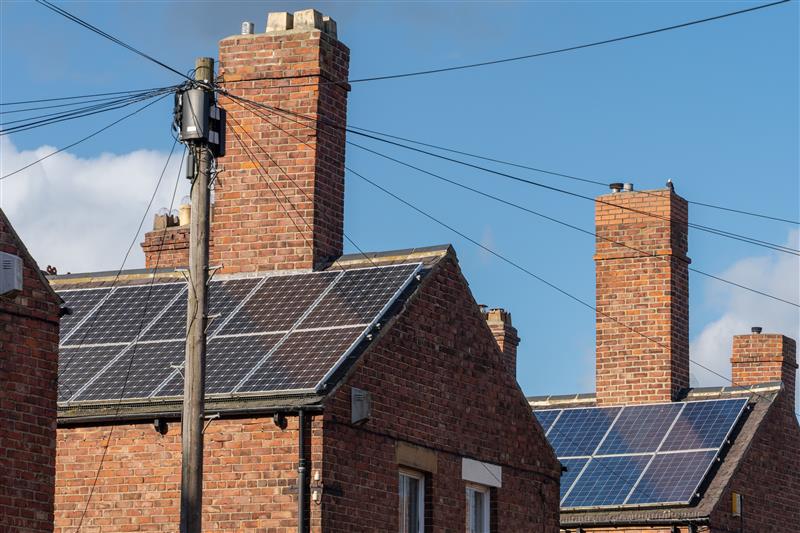
Age matters. Most modern solar panels are designed to last at least 25–30 years, with efficiency gradually declining over time, while the inverter - the component that converts solar energy into usable electricity - typically needs replacing after around 10–15 years. Knowing when the system was installed helps you estimate future maintenance costs and when key components might need upgrading. The UK’s old Feedin Tariff (FIT) scheme, which paid for both generation and exported electricity, closed to new applicants in 2019, but existing FIT contracts still run their full term. Newer installations use the Smart Export Guarantee (SEG) to earn payments for surplus electricity exported to the grid
Who actually owns the solar roof installation?
Be cautious of Rent-a-Roof schemes, popular in the early 2010s. These allowed homeowners to get free solar installations, but ownership of the panels remained with a third party. Export payments, whether under the old FIT or current SEG, usually go to the leaseholder. Leases can also limit roof changes or panel removal until the agreement ends. If the property has such a scheme, confirm the details with the seller, as it can affect your mortgage, renovation plans, and long-term control of the roof.
Buying a home with solar panels can be a smart financial and environmental choice, offering lower energy bills, potential income, and a greener footprint. To make the most of it, check the system size and orientation, MCS certification, age of panels and inverter, and ownership arrangements. Being informed ensures you enjoy all the benefits while avoiding unexpected costs or complications.